
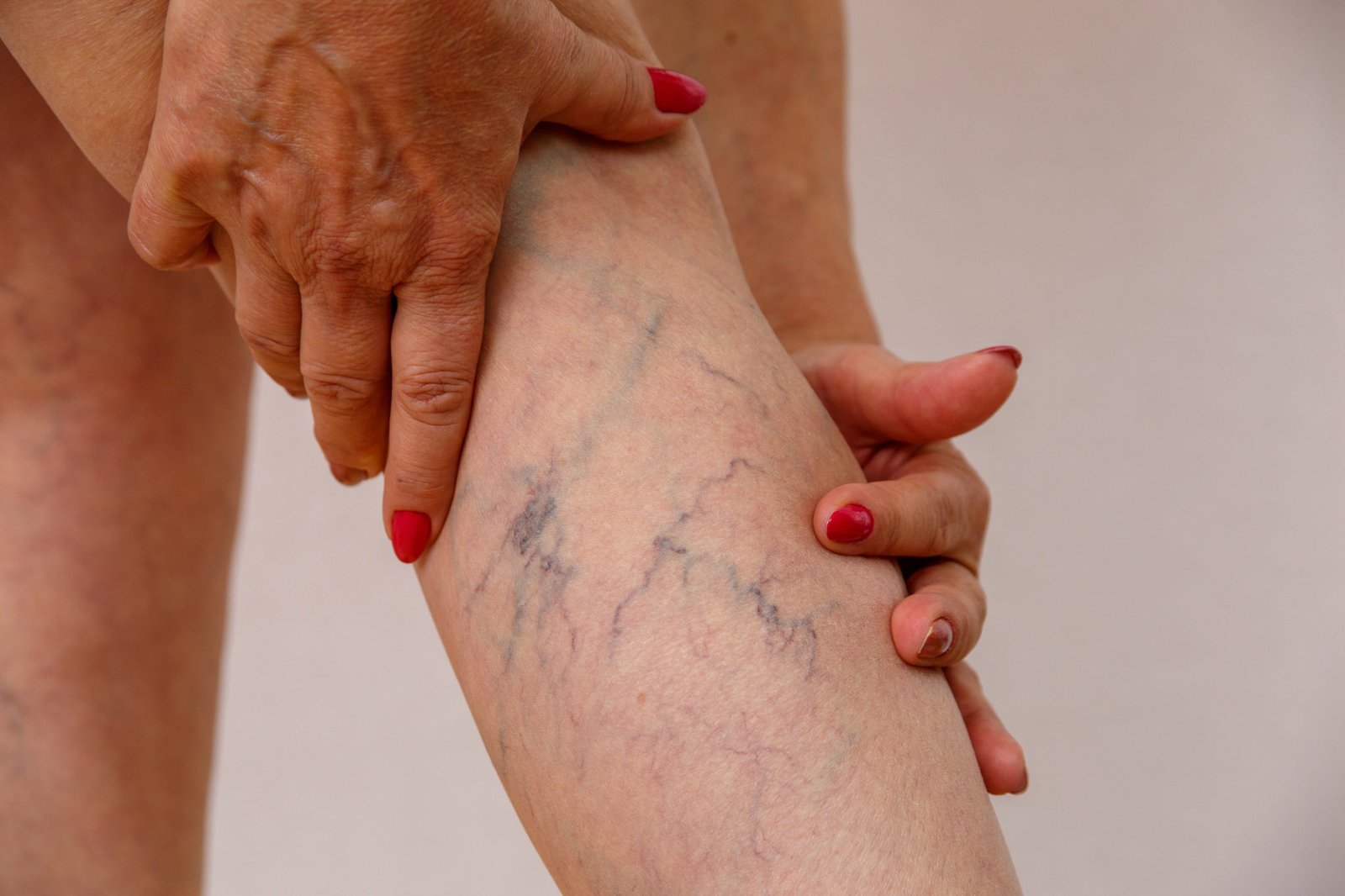
Varicose veins are enlarged, twisted, and swollen veins that most commonly appear on the legs and feet. While often considered a cosmetic concern, they stem from underlying circulatory issues and can cause significant discomfort if left untreated.
What Causes Varicose Veins?
Veins have tiny, one-way valves that open to let blood flow toward the heart and close to prevent it from flowing backward. When these valves weaken or fail:
Blood pools in the veins instead of circulating efficiently.
Increased pressure causes the veins to stretch, twist, and bulge beneath the skin.
Risk factors include prolonged standing or sitting, age, pregnancy, genetics, obesity, and lack of exercise.
Common Symptoms
Bulging, rope-like blue or purple veins
Heavy, aching, or throbbing sensation in the legs
Swelling in the lower legs and ankles (especially after long periods of standing)
Itchiness, skin discoloration, or inflammation around affected veins
Restless legs or nighttime muscle cramps
Modern Treatment Options
Traditional vein stripping surgery has largely been replaced by advanced, minimally invasive treatments that require minimal downtime and offer excellent results:
Endovenous Laser Ablation (EVLA) / Radiofrequency Ablation (RFA): Uses heat energy delivered via a thin catheter to seal off damaged veins, re-routing blood flow to healthier veins.
VenaSeal (Medical Glue Therapy): Delivers a specialized medical adhesive to seal the affected vein shut without requiring heat or multiple anesthesia injections.
Sclerotherapy: Involves injecting a solution directly into small or spider veins, causing them to collapse and fade over time.
Lifestyle Modifications & Compression Stockings: Conservative management options to manage symptoms and improve blood flow.
When to See a Specialist
If you experience persistent leg pain, swelling, skin changes, or non-healing sores around your ankles, consult a vascular specialist for a Doppler ultrasound evaluation to plan the appropriate treatment.
